
+86 134 8948 6615

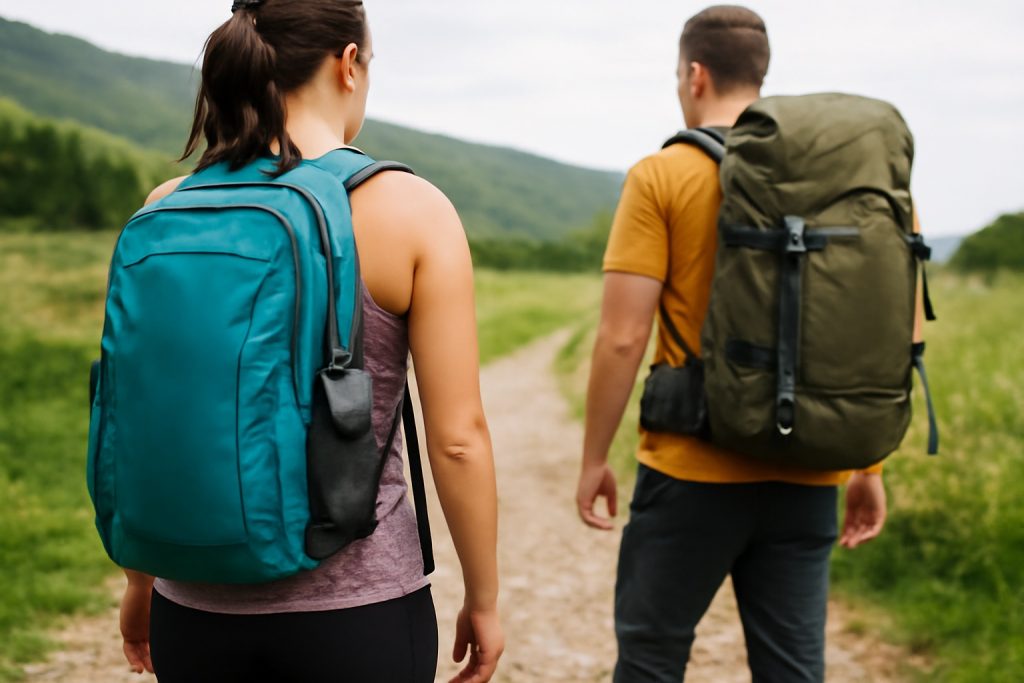
The terms “backpack” and “rucksack” are often used interchangeably, but they have distinct historical and functional differences. While both are essential for carrying belongings, they serve different purposes, have unique designs, and are suitable for various activities like sports, hiking, and daily commuting. This article delves into the evolution, structural differences, and market trends of backpacks and rucksacks, helping consumers choose the right one for their needs.
The Origin and History of Backpacks and Rucksacks
The Historical Evolution of Backpacks
The history of the backpack dates back thousands of years. Early civilizations used simple leather bags or pouches strapped to the back for carrying tools, food, and other essentials. However, the modern backpack, as we know it today, was largely shaped by military and outdoor needs. The term “backpack” became common in the United States in the early 20th century, but it was influenced by earlier designs used for carrying supplies in the military, where the need for comfort and durability was essential.
The word “rucksack” originates from the German language, where “Rücken” means “back” and “Sack” means “bag.” It was commonly used in Europe, especially in hiking and military contexts, to describe a bag with straps that allowed it to be carried on the back. Over time, this term spread, and the rucksack became synonymous with any large, sturdy bag used for carrying gear over long distances.
Why the Terms “Backpack” and “Rucksack” Are Often Used Interchangeably
The terms “backpack” and “rucksack” are frequently used interchangeably, especially in countries like the U.S. and the U.K. However, they do have subtle distinctions based on historical and geographical contexts. While both terms refer to a similar type of bag, “backpack” tends to be more commonly used in North America, while “rucksack” is still more prevalent in Europe, especially for military or hiking-related contexts.
The interchangeability of these terms can also be attributed to global marketing strategies, where both products are often marketed with the same characteristics to cater to the growing global market. As consumers become more familiar with both types, these distinctions continue to blur.
Structural and Functional Differences Between a Backpack and a Rucksack
Key Structural Differences
While both backpacks and rucksacks are designed to be carried on the back, their structural designs differ significantly.
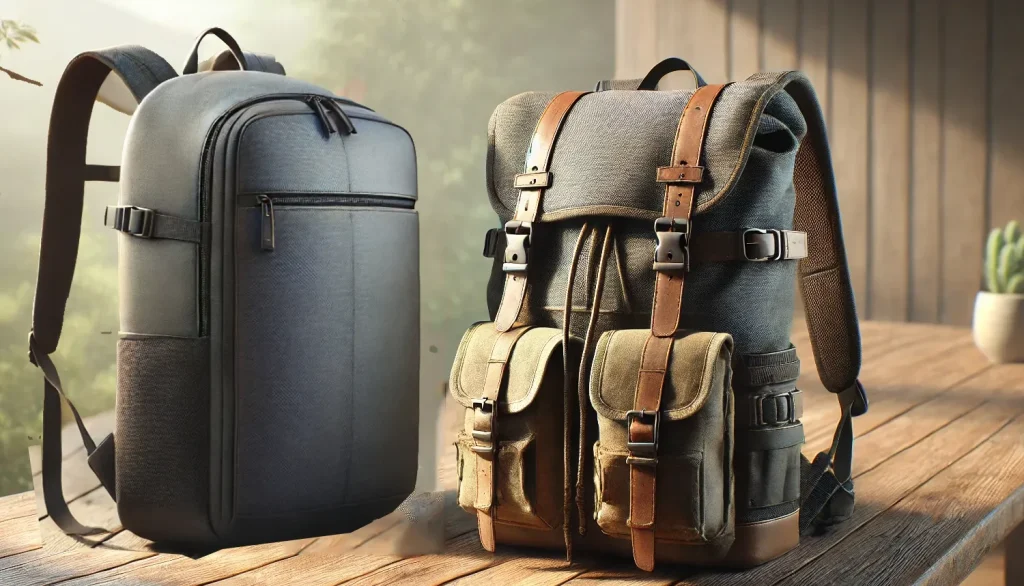
Backpacks are typically more compact, often designed for daily use, such as commuting or school. They tend to feature several compartments with zippers and straps, allowing for easy access to belongings. Backpacks usually have padded shoulder straps and a waist belt for weight distribution, making them comfortable for everyday activities. They are often made from lightweight, durable materials such as nylon or polyester.
Rucksacks, on the other hand, are usually larger and bulkier. They often feature a top flap closure, and the compartment may be less organized. Rucksacks were traditionally designed for more rugged activities, such as hiking or military use, and thus are built to withstand harsher conditions. Their designs often include reinforced materials, more durable straps, and additional attachment points for gear.
Usage and Functional Differences
The primary distinction between a backpack and a rucksack lies in their intended usage. Backpacks are versatile and can be used for a wide range of everyday activities. Whether you’re heading to work, school, or a short trip, a backpack serves as an easy-to-carry, organized solution for your daily essentials. Rucksacks, however, are typically designed for longer excursions such as camping, hiking, or travel. They are meant to carry heavier loads and typically have a larger storage capacity.
While sports backpacks are a specific subset of backpacks, designed with extra compartments for carrying sports gear, they are much more streamlined for portability compared to rucksacks. Sports backpacks often have features such as hydration packs, special compartments for shoes, and secure pockets for valuable items like phones and wallets.
| Feature | Backpack | Rucksack |
|---|---|---|
| Design | Compact, lightweight, designed for daily use. | Larger, bulkier, designed for heavy-duty use. |
| Material | Lightweight, usually made from nylon or polyester. | Durable, often uses canvas or heavier fabrics. |
| Compartments | Multiple smaller compartments for organization. | Often a single large compartment with fewer smaller sections. |
| Straps & Support | Padded shoulder straps, waist belt for comfort. | Heavy-duty straps, sometimes with extra chest straps for added stability. |
| Typical Use | Everyday use like commuting, school, travel. | Outdoor activities, hiking, military, or long trips. |
| Storage Capacity | Smaller capacity, designed for everyday essentials. | Larger capacity, can carry more gear for extended trips. |
| Water Resistance | Some models have water resistance. | Typically water-resistant or waterproof. |
| Durability | Suitable for urban environments. | Built to withstand rugged outdoor conditions. |
| Weight | Lighter, easy to carry for short durations. | Heavier, designed for long-term carrying. |
Sports Backpacks vs. Rucksacks
When it comes to outdoor activities like hiking, camping, or traveling, the choice between a sports backpack and a rucksack is crucial.
Sports backpacks are designed with activity-specific needs in mind. For example, a sports backpack intended for hiking will have a lightweight, breathable structure with compartments to hold water bottles, snacks, and other outdoor essentials. These bags are often more compact than rucksacks, offering portability and ease of use.
Rucksacks, by comparison, are designed for longer treks where carrying heavy loads is necessary. They provide more volume and are usually made from heavy-duty materials to withstand prolonged wear. Rucksacks are ideal for multi-day trips, where large amounts of gear need to be stored securely.
The Current Market: Backpacks and Rucksacks in 2025
Industry Trends and Consumer Preferences
The global backpack market is seeing several trends. In recent years, there’s been a strong shift toward eco-friendly materials, as consumers become more aware of environmental issues. Manufacturers are moving toward using recycled fabrics, natural materials, and other sustainable options to produce backpacks and rucksacks.
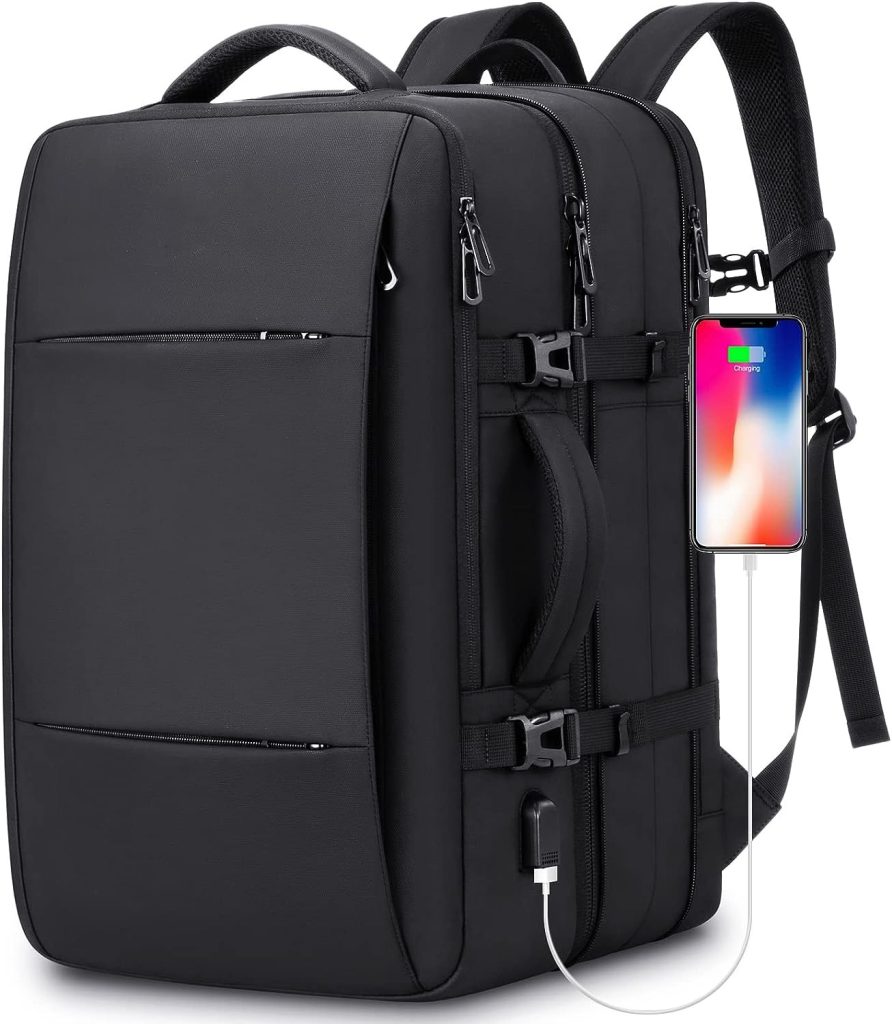
Consumers are also looking for more multifunctional bags. Modern backpacks and rucksacks are no longer just about carrying gear. Today’s bags often feature additional functionalities, such as laptop compartments, USB charging ports, and waterproof fabrics, making them perfect for both work and travel.
Growing Role of Backpacks in Sports and Outdoor Activities
The rise in fitness and outdoor activities has led to a surge in the demand for sports backpacks. These backpacks are tailored for carrying specific items required for sports like cycling, hiking, and gym activities. Sports backpacks are designed for comfort, durability, and ease of access to your gear, making them ideal for athletes and outdoor enthusiasts.
On the other hand, the rucksack still holds its ground in long-distance hiking and military applications. Rucksacks are larger, sturdier, and can carry more weight, making them ideal for long trips where you need to carry heavier loads.
Regulatory Impact on Manufacturing and Sustainability
In response to the increasing concern over climate change and environmental sustainability, the backpack industry has seen significant regulatory changes. Countries around the world are introducing laws that require manufacturers to produce more sustainable products and minimize waste. The growing focus on sustainability is influencing backpack design and production, with eco-friendly materials becoming more common.
Manufacturers are also under pressure to innovate their supply chains. The use of AI and automation in factories is helping streamline the production of backpacks and rucksacks, while also ensuring that products meet safety standards and quality control measures.
Manufacturing of Backpacks and Rucksacks
Behind the Scenes of Backpack Production
The production process of backpacks and rucksacks involves several stages, including material selection, cutting, stitching, and assembly. Manufacturers typically source durable fabrics like nylon, polyester, or canvas, which are treated for water resistance and durability.
In recent years, sports backpacks have become highly specialized, with manufacturers focusing on ergonomic designs and added compartments for sports gear. As the demand for custom designs grows, factories are employing AI-driven technologies to help create personalized products that meet specific needs.
Challenges Faced by Backpack Manufacturers
The backpack industry faces several challenges, including fluctuating market demand and the rising cost of raw materials. Additionally, supply chain disruptions, especially in light of recent global events, have posed logistical issues for many manufacturers.
Despite these challenges, backpack manufacturers are increasingly adopting new technologies and business models to stay competitive. Some are focusing on wholesale distribution and direct-to-consumer sales to mitigate the impact of supply chain issues and offer consumers affordable pricing.
Future of Backpack and Rucksack Manufacturing
The future of backpack and rucksack manufacturing is shaped by a growing focus on sustainability, technology integration, and customization. As manufacturers continue to adapt to consumer demands for eco-friendly and multifunctional bags, the development of AI and 3D printing technologies will likely make custom backpacks and rucksacks more accessible to a broader market.
Conclusion: Which One Should You Choose – A Backpack or a Rucksack?
Recap of the Key Differences
The main differences between backpacks and rucksacks lie in their design, structure, and intended use. While both are great for carrying your belongings, backpacks are typically better suited for everyday use, whereas rucksacks are better for more rugged, long-term excursions.
Final Recommendations for Buyers
If you’re someone who needs a bag for daily commuting, a sports backpack will likely be your best option due to its compact size, multiple compartments, and ease of access. For hiking or multi-day trips, a rucksack would be the better choice, offering larger storage capacity and more durability.
Frequently Asked Questions (FAQs)
FAQ 1 – What’s the main difference between a sports backpack and a rucksack?
Sports backpacks are smaller, lighter, and optimized for carrying sports gear and essentials, while rucksacks are larger, designed for heavy-duty use and long-term carrying.
FAQ 2 – Can I use a rucksack for daily commuting?
Yes, you can, but a rucksack might be overkill for daily commuting unless you need to carry heavy gear. A backpack would be more practical for daily use.
FAQ 3 – Are rucksacks better for hiking or camping?
Yes, rucksacks are designed to carry more weight, making them ideal for outdoor activities like hiking, camping, and long-distance travel.
FAQ 4 – Where can I buy high-quality backpacks and rucksacks in bulk?
You can purchase backpacks and rucksacks wholesale from manufacturers, factories, or distributors that offer bulk pricing.
FAQ 5 – What should I look for in a sports backpack for fitness activities?
Look for features like padded straps, water bottle compartments, ventilation for airflow, and enough room for your gym essentials.
In Conclusion: The Future of Backpacks and Rucksacks
The backpack and rucksack industries are evolving to meet changing consumer demands and environmental challenges. With a focus on sustainability, innovation, and customization, the future of backpacks and rucksacks promises exciting new developments. Whether you choose a backpack or a rucksack, selecting the right bag for your needs is crucial in ensuring comfort, functionality, and durability.
In-depth Analysis: Backpack vs. Rucksack
The primary distinction lies in their structure, usage, and intended functions. Backpacks are typically used for everyday activities like commuting and school, while rucksacks are designed for more rugged, long-term use like hiking and military activities. Both bags offer unique advantages based on their design features, such as compartments and durability, tailored for specific tasks.
Why is it important to choose the right bag?
Choosing between a backpack and a rucksack depends largely on your daily needs or intended activity. A backpack is ideal for light use, whereas a rucksack is suited for more demanding tasks, like carrying heavier loads over long distances. Both offer specialized features, but understanding the key differences can ensure a more comfortable and efficient experience based on the activity you choose.
How do modern trends shape the choice between these bags?
In recent years, trends in eco-friendly materials and multifunctional designs have influenced the market, with backpacks becoming more versatile for daily use, and rucksacks integrating advanced features for hiking and outdoor activities. Understanding these trends can guide consumers toward making more informed choices based on sustainability and functionality.
Reference Source List:
-
Smith, J. (2021). Backpacks: A Comprehensive Guide to Selection and Use. Outdoor Gear Review.
-
Miller, R. (2022). The Evolution of the Backpack: From Military Gear to Everyday Utility. International Journal of Product Design, 10(4), 44-58.
-
Backpack Manufacturers Association (2020). Sustainable Backpack Manufacturing Trends. https://www.backpackmanufacturers.org
-
Outdoor Industry Association (2023). The Impact of Eco-friendly Materials in Outdoor Gear. https://www.outdoorindustry.org
-
Adams, P. (2022). Understanding Rucksacks: A Historical Overview. Hiking Gear Expert.
-
Harrison, L. (2023). What Makes a Great Sports Backpack?. Gear and Tech Innovations, 5(1), 32-45.
-
Gartner, T. (2020). Backpack and Rucksack Market Trends: 2020 Report. Market Research Company.
-
GreenTech Forum (2021). Sustainable Materials in Manufacturing: Focus on Backpacks. https://www.greentechforum.org
-
Johnson, S. (2022). Backpacks vs Rucksacks: A Functional Comparison for the Outdoor Enthusiast. Outdoor Travel Gear, 8(3), 112-118.
-
Outdoor Retailer (2023). Consumer Preferences for Backpacks and Rucksacks in 2023. https://www.outdoorretailer.com
Feature Product
-
 Durable Custom Backpack – Stylish, Functional, ...
Vedio Show Brand & Craftsmanship Storytel...